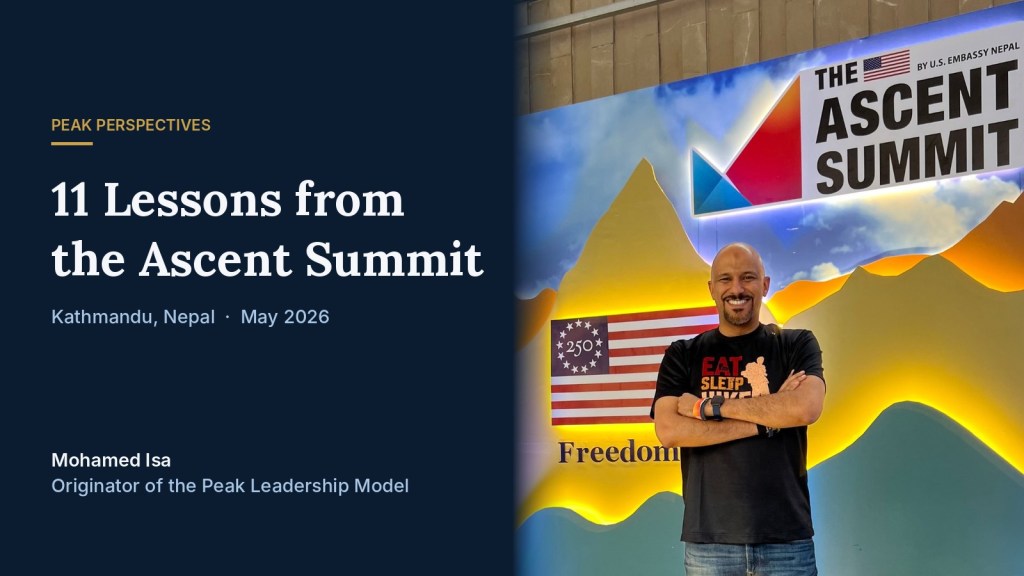
In late May 2026, I traveled to Kathmandu for the Ascent Summit, a gathering hosted by the U.S. Embassy in Nepal that brought together climbers, guides, record-holders, and the people who keep the mountain running. I went as a leadership speaker, an author, and a PhD researcher studying leadership under extreme conditions, with Everest as my case study.
I came home with something I did not expect. Not a single grand lesson from a keynote, but eleven small ones, collected from the people I met in hallways, at booths, on panels, on the grass, and on the stairs of the plane home.
The same idea surfaced in almost every encounter. The people who reach great heights rarely do it alone, and the ones worth following are usually the ones lifting others. The rope-fixer who is rarely named. The climber who credits his guide from the stage. The record-keeper who works without pay. The friend who carries his injured companion up the boarding stairs.
I have arranged these eleven lessons along the six levels of the Peak Leadership Model, the framework I built to describe how leaders actually develop. Each person I met illuminated one level of the climb. Together, they map the whole ascent.
The Peak Leadership Model
The Peak Leadership Model uses the logic of high-altitude climbing as its structure. On Everest, climbers do not skip camps. Each camp prepares the body for the next. Leadership develops the same way: progressively, cumulatively, each level built on the one beneath it. These are the six levels.
- Base Camp. Establishes the internal operating system of self-awareness, values, and character.
- Camp 1. Develops the communication and decision-making capabilities required for individual effectiveness.
- Camp 2. Builds the team leadership infrastructure that scales individual contribution to collective performance.
- Camp 3. Develops the strategic thinking that connects current operations to future positioning.
- Camp 4. Builds the adaptive capacity required when complexity defeats planning.
- Summit. Addresses the question most leaders avoid until too late: what survives after you leave.
What follows are eleven people, met over two days in Kathmandu, who each showed me one level of that climb.
BASE CAMP
Lesson 1: Protect the Early Spark
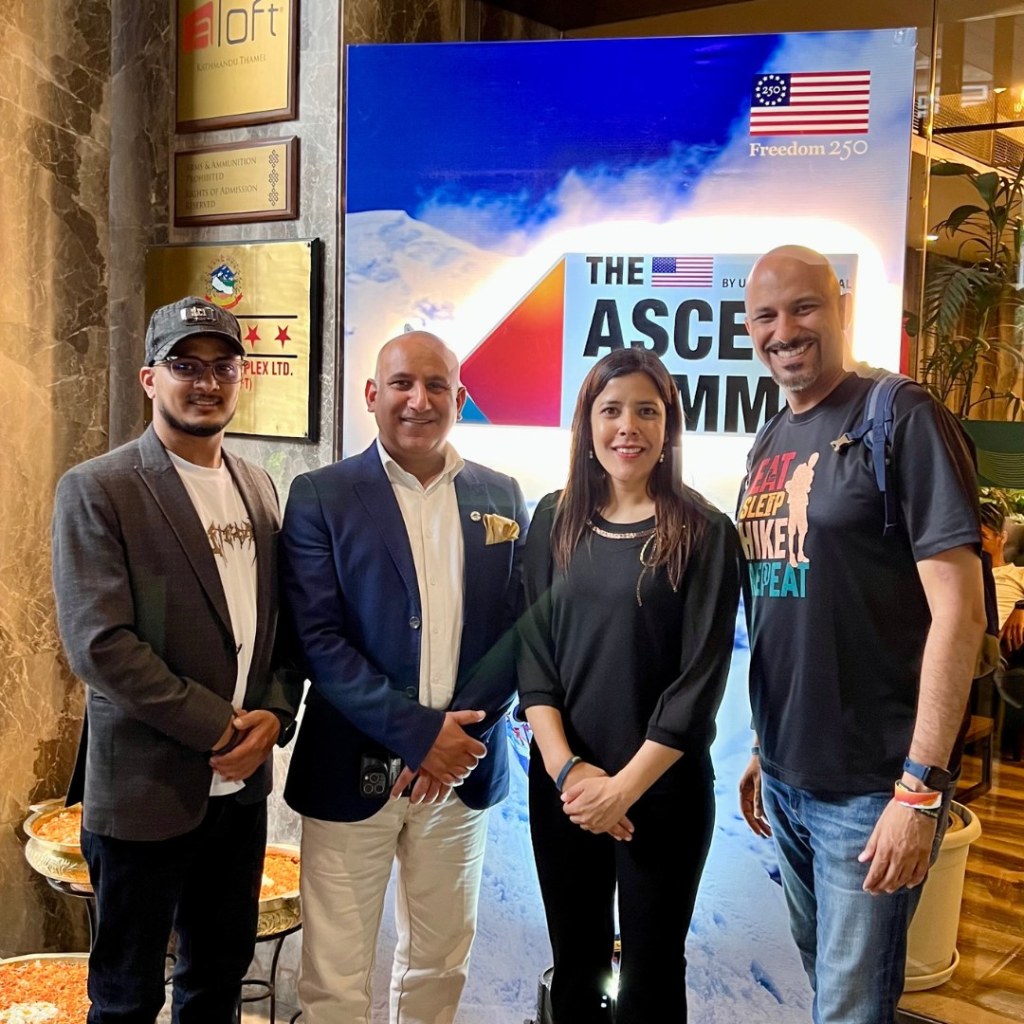
I met them in the passage between the two halls, near the Seven Summit Treks booth, the one with the gear and the tent set up.
They knew my name before I said it.
“Hello, Mohamed Isa. We saw you speak on the screen. And we love your T-shirt.”
Eat. Sleep. Hike. Repeat.
I designed it myself, I told them. Most of mine are.
Then they said they had read pages from my book. Which book, I asked, surprised. The one you left at the SST booth, they said.
The questions kept coming. They wanted to know everything. When I headed for my hotel, they walked with me, still asking, still talking. I invited them for a drink at the coffee shop across the street. Over ginger, honey and lemon, we talked about the thing they had just started: a young tourism and treks company, barely off the ground.
It was my invitation. They insisted on paying.
Two people building a company from nothing, and they would not let the visitor cover three hot drinks.
Here is what I want to say about them, and about everyone at that stage.
The rarest thing in a young team is not skill. Skill can be taught. It is the spark, the hunger that makes someone read a stranger’s book at a booth, walk him to his hotel, and ask question after question because they cannot help it. The world is good at wearing that down. Targets, setbacks, people who tell you to be realistic. The spark survives only when someone decides to protect it.
Amrit and Archana, I will not forget the sparkle in your eyes. Never lose it.
CAMP 1
Lesson 2: Be Seen Asking
The moderator turned to the hall. Any questions for the panel?
I waved. Both hands. I wanted that microphone. I didn’t think. I just went.
When it reached me, I introduced myself. I thanked the panelists for what they had shared and the people who built the Ascent Summit. I told the room I love this country and its people. All true, and all of it was also the runway for what I actually stood up to do.
I said I am a PhD student at Kathmandu University, researching leadership under extreme conditions, the case of climbing Everest. Then I asked the room a direct question. Could anyone here help me reach climbers and guides who have stood on the summit?
My face was on both LED screens. For a minute, the whole hall watched me ask for help.
It worked.
Someone passing my aisle stopped and leaned in. They worked with Kathmandu University, and they would talk to me later. We did. That one conversation led me to Dr. Smrittee Kala Panta, a Kathmandu University faculty member whose field is tourism, the exact kind of door my research needed open.
Call it a PR stunt. It worked.
Here is what I keep coming back to. That hall was full of people who could help me. Not one of them could help with what they could not see.
We treat asking as a weak move, the thing you do when you cannot manage alone. On a mountain, asking is survival. You get on the radio. You name what you need while there is still time to get it. Leadership starts the same way, with the decision to be seen, asking out loud in front of everyone.
The next time a room goes quiet, and the microphone comes your way, take it. Say your name. Ask for what you actually need while everyone is still listening. The help you are looking for is already sitting in the room.
CAMP 2
Lesson 3: Say Their Names Out Loud
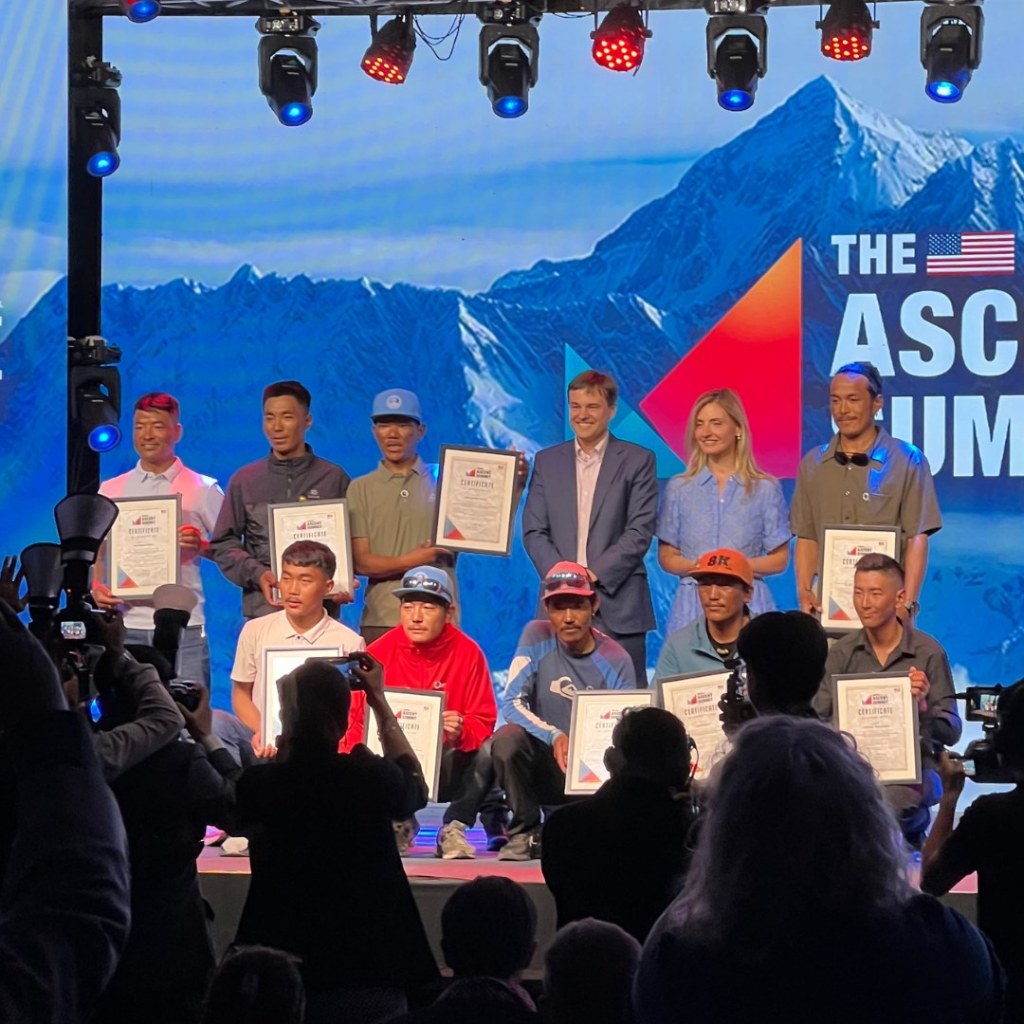
The hall erupted.
More than 800 people were on their feet, applauding before some of us fully understood why. Then the names began. The applause returned with each one. Again and again.
The MC, Sanjay Silwal Gupta, had announced that officials would honor the Everest rope-fixing team.
They deserve this, I said to myself. They earned this.
These are the people who go up the mountain first. Every season, before any client, any record, any flag, they fix the route. The ropes, the anchors, the lines through the Khumbu Icefall, the Lhotse Face, the South Col, the summit ridge. The most dangerous ground on Everest. They prepare it so everyone else can pass.
Without them, no one summits. Not the fastest. Not the most famous. No one.
Most seasons, these brave men work in the shadows. The photographs at the top rarely show the people who made it possible to reach the top.
Not this time. This time they stood in the light, joyful, and a full hall stood with them. And every name was read. Even the men who were not in the room. Their names were called out in the applause, too.
Here is what stayed with me. Recognition is not recognition until you say the name. “Thanks to the whole team” is kindness. Naming the person who carried the load is leadership.
Every team has people who fix the rope. The ones who go first, take the risk, and make everyone else’s climb possible. When did you last say their name out loud, where it counted?
CAMP 2
Lesson 4: The Number Is a Person
The brochure lists the numbers you would expect. A 96% success rate. More than 250 expeditions above 8,000 meters. 1,500+ climbers taken to the top of the world.
Fifteen hundred people on the roof of the world. That number stops me. Most of us read a figure like that and move on. I cannot.
The company is Seven Summit Treks, founded by Mingma Sherpa, the first Nepali and the first South Asian to summit all 14 of the world’s 8,000-meter peaks.
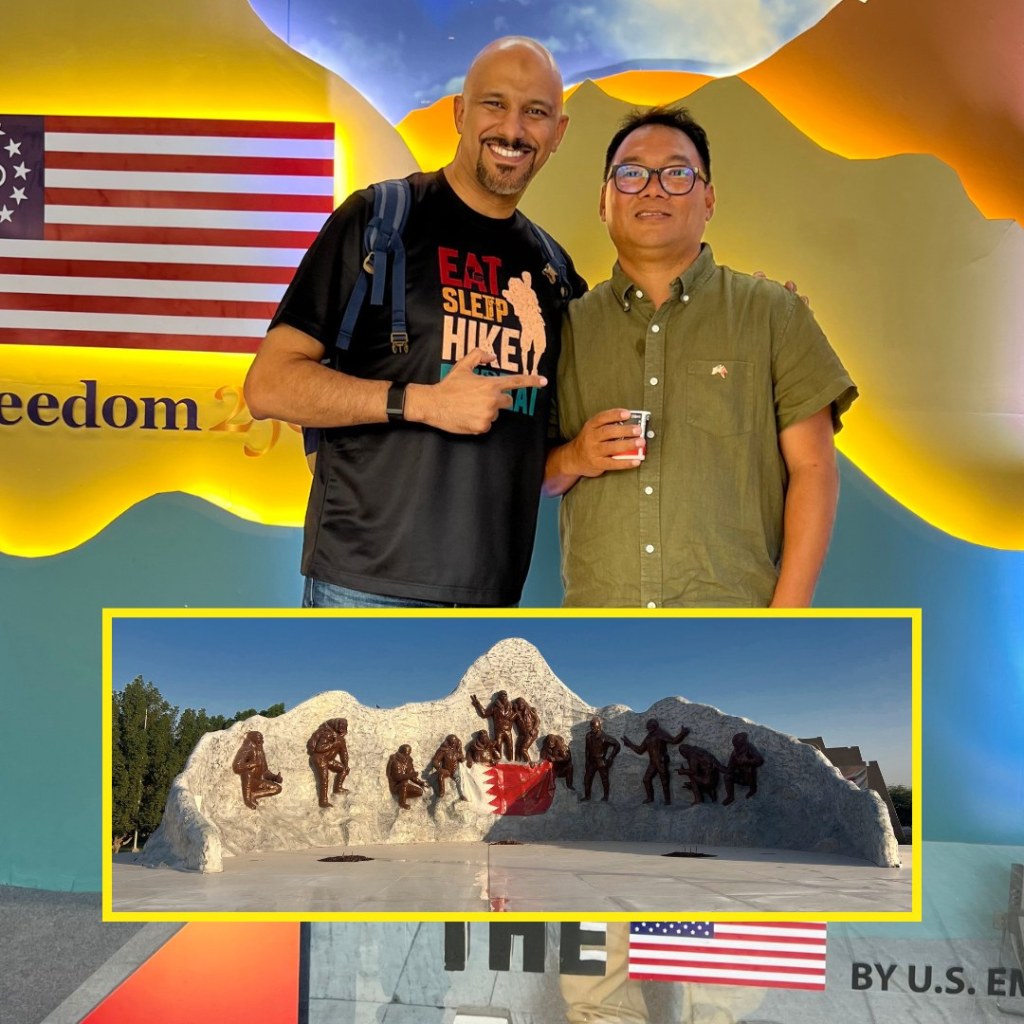
When I saw him at the Ascent Summit, I pointed at him and said, “You know Bahrain very well, right?”
“Of course,” he said.
“Of course you do,” I told him. “You took us to the top of the world.” He smiled.
In 2021, his company guided a team of 16 Bahraini Royal Guards to the summit of Everest, the first team from my country ever to stand there.
Understand what that means. Bahrain has no mountains. So, reaching the roof of the world was never something we could do alone. It took our people’s resolve and Mingma Sherpa’s team to carry the flag of Bahrain to 8,848 meters. Today that achievement stands as a monument at Al Rawdhah Roundabout. A piece of Everest, in a country with no mountains.
So, when I read 1,500+, I do not see a statistic. I see us. Bahrainis. I see the flag at the top of the world, and the Nepali team that made it possible.
That is the thing about the numbers leaders put in brochures. Headcount. Success rates. Units shipped. Most of us read them and move on. But every number is people. Fifteen hundred is not an achievement. It is fifteen hundred names, and behind each one, someone who could not have reached the summit alone.
CAMP 3
Lesson 5: Put Stewardship at the Entrance
You could not miss it.
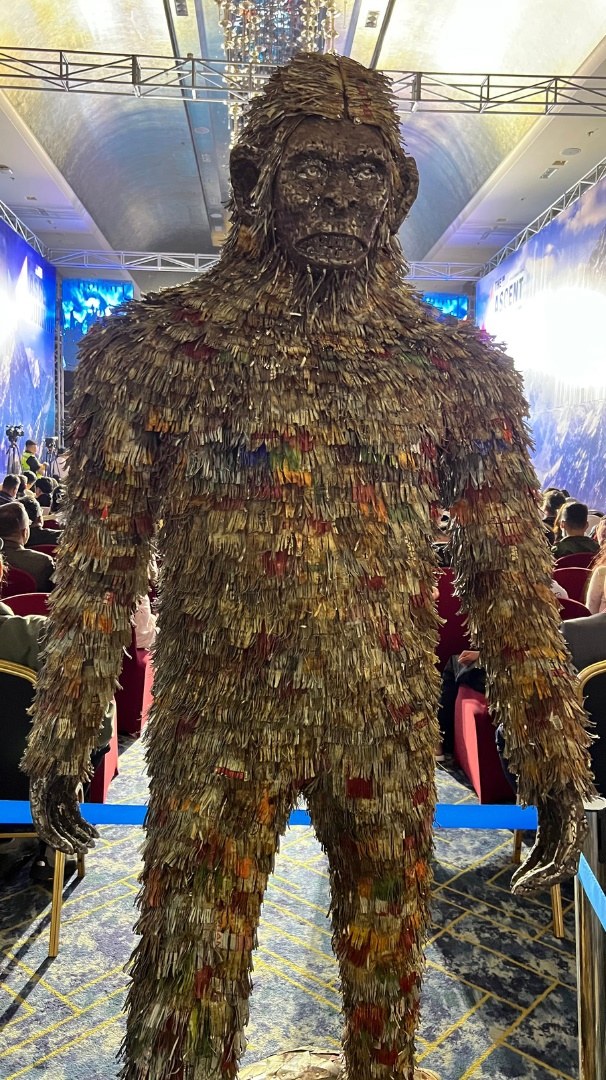
At the entrance to the grand hall stood a Yeti, taller than a man, built entirely from about 90 kilograms of waste hauled off Mount Everest.
I was not shocked. I knew this problem existed. I had seen it with my own eyes on my trek to Everest Base Camp, and again in the International Mountain Museum in Pokhara. What struck me was not the waste. It was where they chose to put it.
It was placed there on purpose. Not in a side room. Not after the closing remarks. At the door. Everyone who walked into that hall walked past it, then passed it again on the way out. You arrived thinking about Everest’s glory. You left thinking about its waste.
That is a design choice and a leadership lesson.
Most organizations bury their hard truths. The uncomfortable number goes in the appendix. The failure gets one slide near the end, after everyone has stopped paying attention. The problem nobody wants to own is technically mentioned, which is how we let ourselves off the hook.
Everyone in mountaineering knows about the waste. There are army cleanups, Sherpa recovery teams, and deposit rules. The problem is not a secret. What the organizers understood is that knowing is not the same as facing. So, they did not add another panel about it. They built it from 90 kilograms of the real thing and set it at the door, where knowing turns into looking.
Leaders decide what their people cannot avoid looking at. Put the trophies at the door, and you get a celebration. Put the problem at the door, and you get a reckoning. The Yeti was a reckoning, shaped like the mountain’s own guardian, made from our own waste.
What have you filed in the appendix that belongs at the entrance?
CAMP 3
Lesson 6: Do the Remembering
At the Ascent Summit in Kathmandu, the woman behind me accidentally pushed my chair. She apologized, with a warm, open smile.
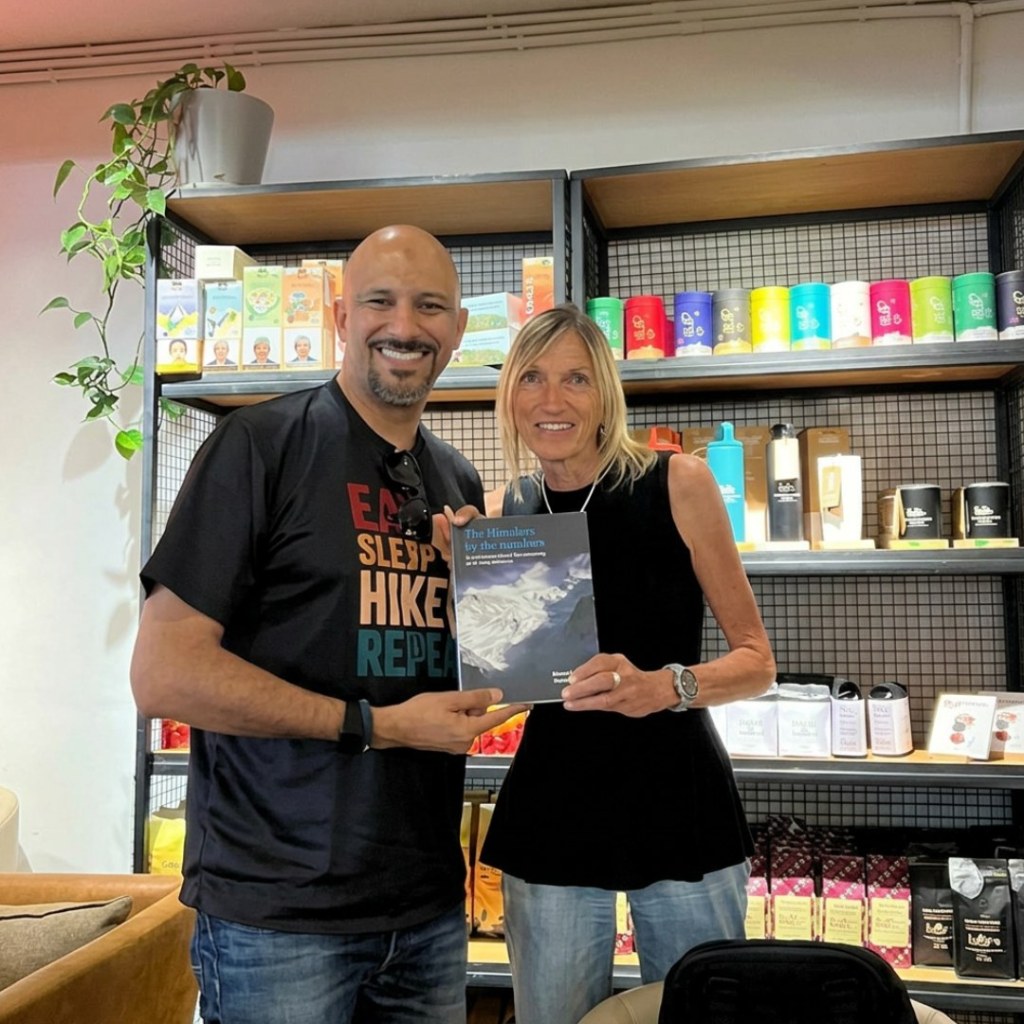
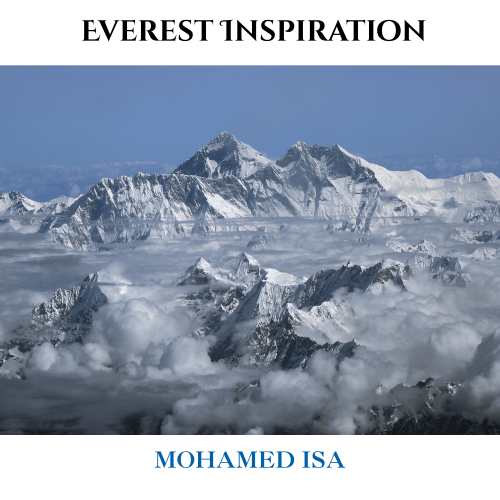
I had ten copies of my book, Everest Inspiration, with me that day. I pulled one out and handed it to her. “Because of your beautiful smile,” I told her, “I am giving you this book.” Her name was Lisa.
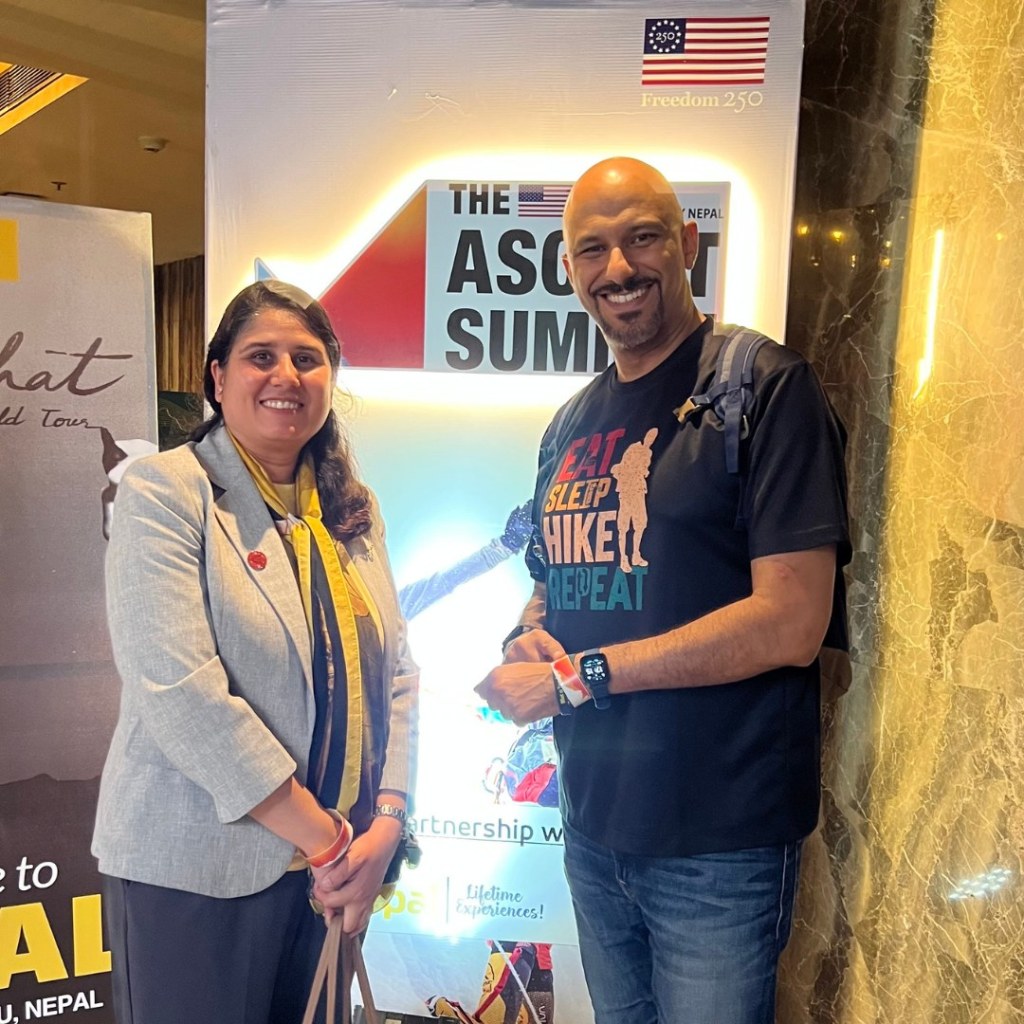
A few sessions later, she moved into the seat beside mine. On stage, Billi Bierling had begun to speak. I leaned over. “Do you know her? I would love to meet her.” Lisa said, “Yes. I can give you her number.”
Only afterward did I learn who Lisa was. Lisa Choegyal, New Zealand’s Honorary Consul to Nepal. I had given my book to a stranger for her smile, and she turned out to be one of the most connected people in the country.
The next day, I had coffee with Billi Bierling at the Himalayan Java Coffee.
Billi is the Director of the Himalayan Database, the definitive record of mountaineering expeditions across Nepal’s mountains, built over six decades. She inherited it from Elizabeth Hawley, the legendary American chronicler who created it and who, famously, never climbed Everest herself. After Hawley passed away in 2018, Billi kept her life’s work alive.
Two things she said stayed with me.
The first: She does this without pay. The most important archive in Himalayan mountaineering, the record climbers and historians depend on, is kept alive by someone who takes no salary for it. She does it to honor the woman who built it.
The second: She likes to play devil’s advocate. Over coffee, she pushed back on points I thought I had settled, not because she disagreed, but because she wanted me to think harder. And I did.
Before she left to catch another meeting, she signed my copy of The Himalaya by the Numbers, the book I had come to Kathmandu to find. She wrote something about my enthusiasm for the mountains.
We spend so much of our lives chasing the summit. The name on the record. The credit, the visible win. Billi Bierling reminded me of the other kind of leadership, the kind that gets no summit photo. Someone has to keep the records. Someone has to protect what another person built, long after that person is gone, and ask for nothing in return. The climbers reach the top. She makes sure the world remembers they did.
That may be the highest form of leadership there is. Not to be remembered, but to do the remembering.
CAMP 4
Lesson 7: Reinvent Before You Have To
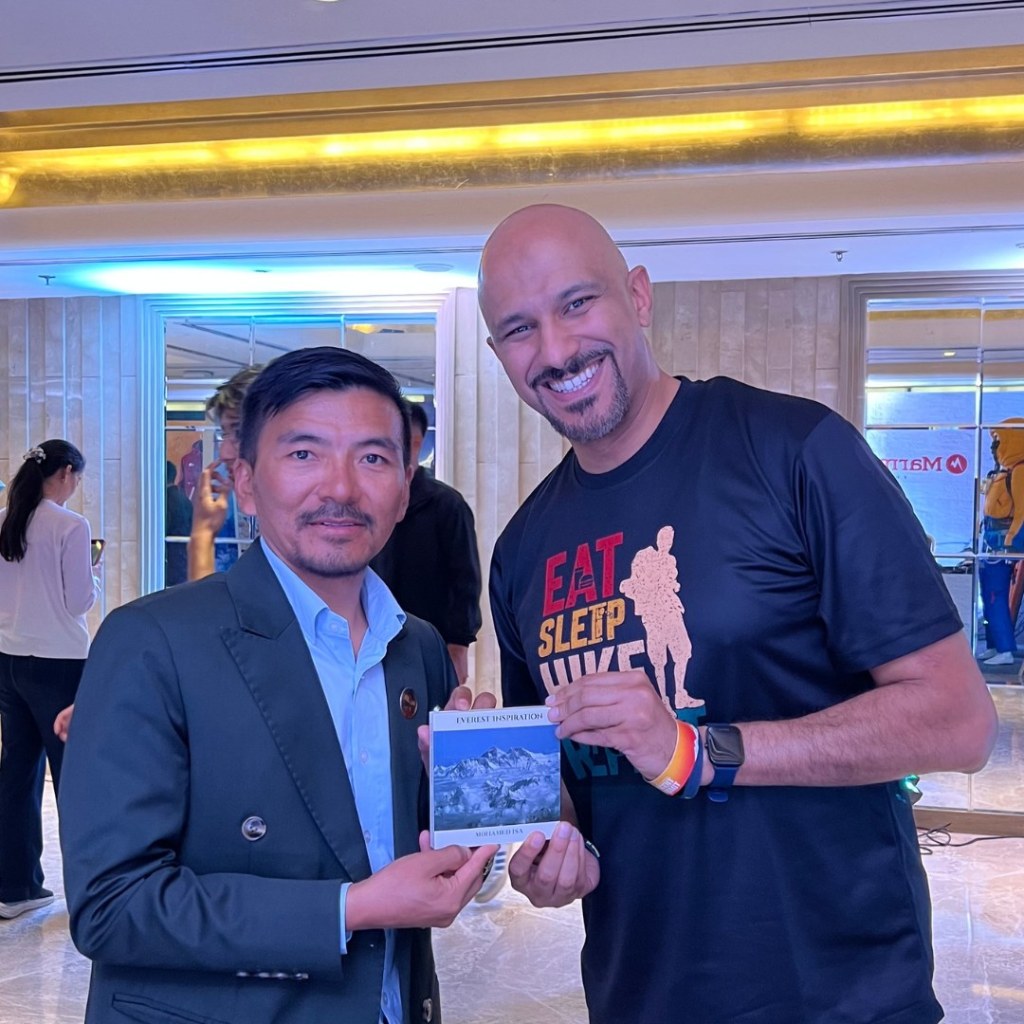
After his panel ended, Mingma David Sherpa stayed in the hall. I had chosen my seat on purpose, on the aisle, so I could reach him before he left.
When he stood to leave, I stood too. I put out my hand. “My name is Mohamed Isa, and I am from Bahrain. I traveled to Nepal just to attend this Summit and meet people like you. Can we talk for a minute outside the hall?”
He said yes. Very calm, very dignified.
I told him I am a PhD student at Kathmandu University, researching leadership under extreme conditions, the case of climbing Mount Everest. I asked if I could interview him one day. Sure, he said.
Then I handed him my book, Everest Inspiration. He surprised me. “I need you to sign it.” I had no pen. He borrowed one. So, there I was, signing my own book for him. Surprised and delighted.
Here is the part I keep thinking about.
Mingma David Sherpa grew up in a farming village in Taplejung, far from almost everything. He became a climber. He co-founded an expedition company, Elite Exped. He climbed all 14 of the world’s 8,000-meter peaks, for a time the youngest person ever to do it. He was elected to Nepal’s parliament.
And in May 2026, as a sitting Member of Parliament, he climbed Everest again and carried the flag of the parliament to the top.
Read that list again. Climber. Founder. Record holder. Lawmaker. He did not trade one of those in for the next. He kept each one and added the next on top of it.
I have spoken for years about self-reinvention and expansion. I tell people to reinvent themselves every seven years. Most agree with the idea in a meeting and forget it by lunch. He is living it.
Self-reinvention is not replacing who you were. It is adding to it. You keep every summit, and you keep climbing.
CAMP 4
Lesson 8: Will Over Body
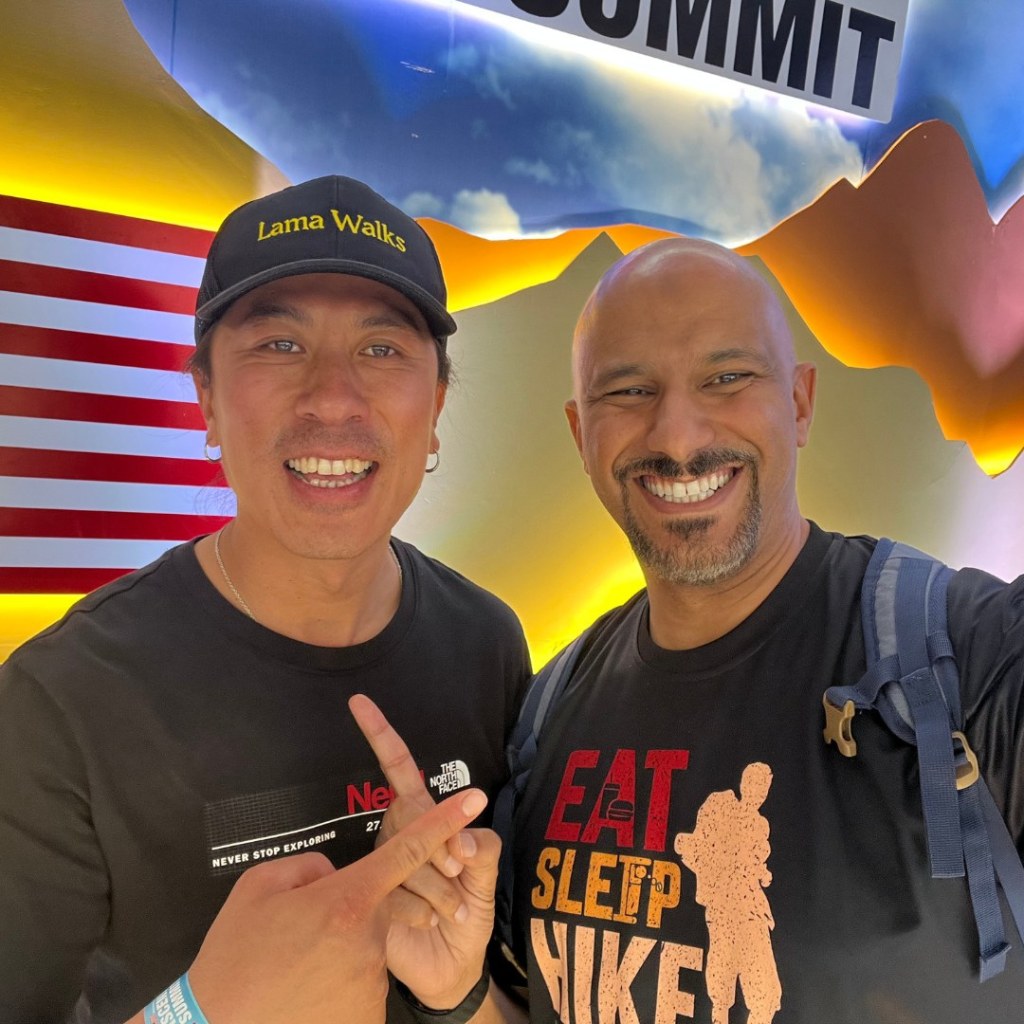
At the Ascent Summit in Kathmandu, Rajesh Lama said something I have not stopped thinking about.
“Every step from Kathmandu to Everest taught me one thing. The mountain doesn’t test your body. It tests your will.”
He meant it literally.
On April 1, 2024, Rajesh left his home in Kathmandu and walked to the summit of Mount Everest, 432.6 kilometers on foot, reaching the top on the 57th day. He is recorded as the first person to walk from his Kathmandu home all the way to the highest point on earth.
Most climbers fly to the mountain. He started at his front door.
I had met him two days earlier. On International Everest Day, he was the MC at the North Face Mountain Quest at Gokarna Forest Resort. He electrified the place, full of energy, the whole crowd with him. Then, away from the microphone, he sat down next to me on the grass. We talked for a few minutes, and I gave him one of my Everest wristbands.
It reads “What is your Everest?” on the front, and “Climb it!” on the back.
So, I already knew the man could move a room.
What I did not expect was how he talked about the mountain. He did not perform the climb. He did not turn it into a highlight reel. He spoke about the struggle, the toll it takes on the will long after the legs are ready to quit. At his own press conference after the walk, he put it plainly: significant achievements come through willpower and resolution.
And then he said the thing that stayed with me. For all of that will, and all those kilometers, he could not have summited without his guide.
Think about who is saying that. A man who walked 432 kilometers from his front door to the roof of the world. He stands on a stage and gives credit to the person who got him to the top.
In the Peak Leadership Model, will gets you onto the mountain. It is the engine of every climb worth attempting. But will alone does not put you on the summit. Someone ahead of you fixes the rope. Someone beside you carries what you cannot. Someone reads the weather you cannot see.
Rajesh Lama had the will to walk to Everest, and the honesty to credit the man who made the difference.
So here is the question I left Kathmandu with: when you reach your summit, will you give your guide the credit?
SUMMIT
Lesson 9: Open the Door for Others
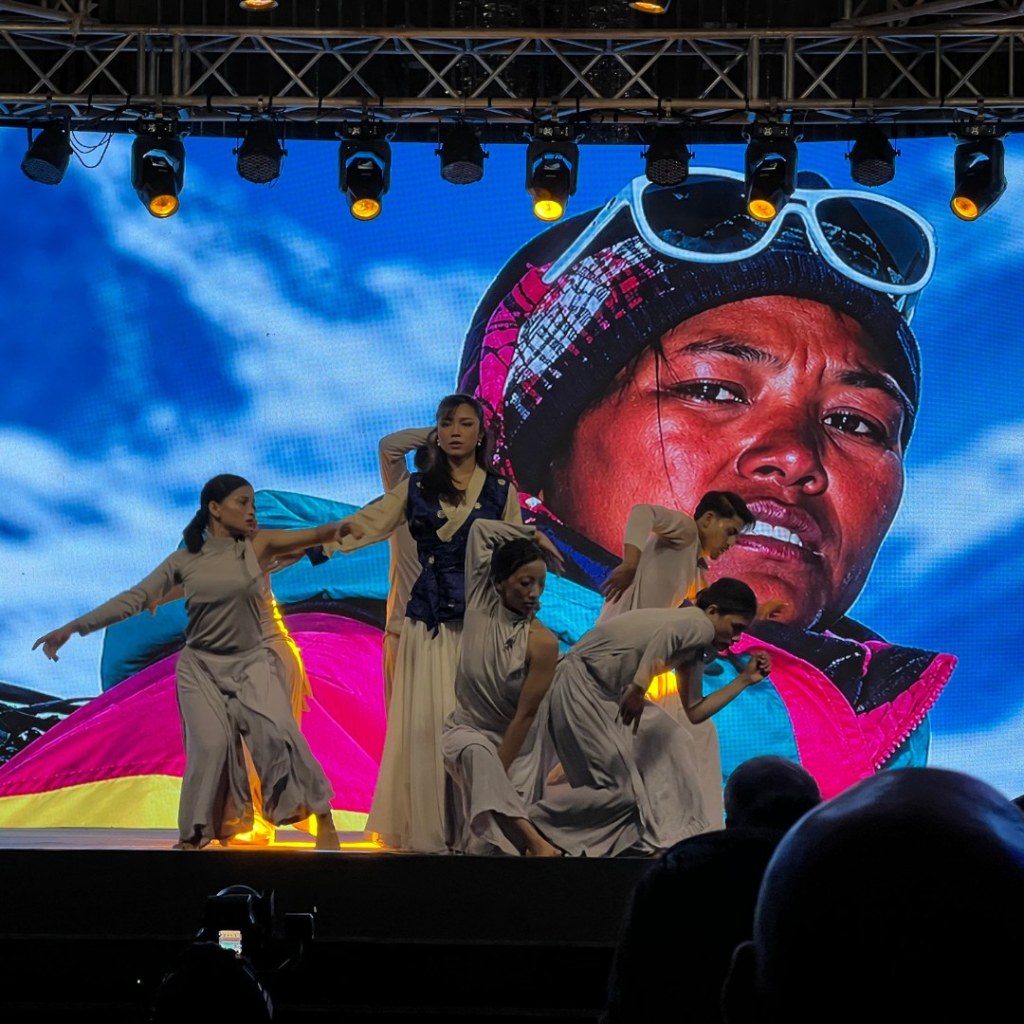
The Ascent Summit in Kathmandu did not open with a speech. It opened with a performance.
The performers took the stage. Behind them, on a large LED screen, the face of Pasang Lhamu Sherpa. More than 800 of us watched. The music was powerful. The performance moved in sync. The symbolism of boundaries was inventive, and the falls and the rebounds were heartfelt. The opening was breathtaking.
In 1993, she became the first Nepali woman to reach the top of Everest. She was 32. A mother of three. She made the summit, and she never made it back down.
We talk about glass ceilings. Pasang faced a climb ceiling. And she broke it.
I first heard her name at the gate in Lukla, where the trail to Everest Base Camp begins. Her statue stands there. The name arrived before the understanding did. Year after year, the size of what she had done kept growing on me.
A leader is measured by who climbs after them.
Panel II at the Summit was led by Dawa Futi Sherpa. President of the Pasang Lhamu Foundation. Former ambassador of Nepal to Spain. Pasang’s eldest daughter.
Her mother opened a door in 1993 and never walked back through it. Thirty-three years later, her daughter stood in the same room, leading.
SUMMIT
Lesson 10: Shape What the World Sees
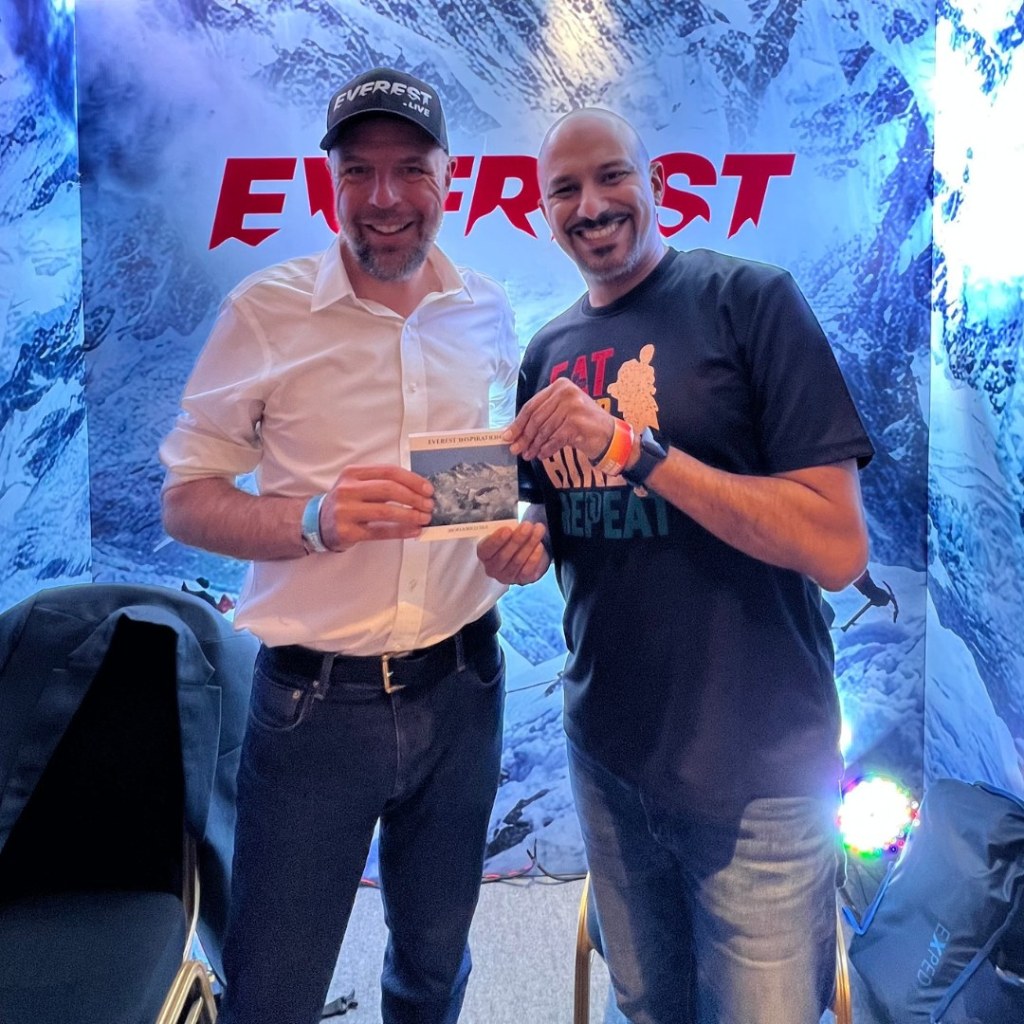
At the Ascent Summit, I stopped at the Everest Live booth and met the man behind it, Ben Ayers.
I have followed Everest Live since 2025, the year it began. The coverage is immersive, daily dispatches that put you on the mountain, and in about a year, it has drawn tens of thousands of followers across Instagram and YouTube.
I handed him my book, Everest Inspiration, told him I valued his work, and said I am a PhD researcher at Kathmandu University studying leadership under extreme conditions, the case of climbing Everest. I hoped to interview him.
“Then we have a lot to talk about,” he said. And he handed me his business card.
But something about him stayed with me longer than the card.
I am chasing summits. The flag, the photo, the top, and the growth that comes with every climb. It is how I have measured myself on every mountain. Ben Ayers has lived in Nepal for more than twenty years, writes about the Himalaya for Outside, and is a National Geographic Explorer. And he has never tried to climb Everest. He has shaped how the world sees the mountain without ever standing on top of it.
What he built instead is Everest Live, a broadcasting company run, in part, from a tent at Base Camp, bringing the season to the world almost as it happens. A climber reaches the top. Without someone to tell it, the world never learns what it cost, who made it possible, or what it meant. The storyteller decides where the camera points. Whose effort we see. Which season we remember, and how.
That is quiet power. We remember the climber on the summit. We forget that someone decided we would see it.
My research asks who leads in extreme conditions. I went in thinking about climbers and guides. Ben Ayers reminded me that the people who decide what we see also shape the mountain.
One example of what Everest Live does with its reach. When Hillary Dawa Sherpa, a veteran Nepali guide, survived six days alone on Everest and was found in May 2026, Ben Ayers used the platform to help his story spread and to direct people to the official fund for his recovery, set up by his family for him and his daughter, Mendo Lhamu Sherpa.
SUMMIT
Lesson 11: No One Summits Alone
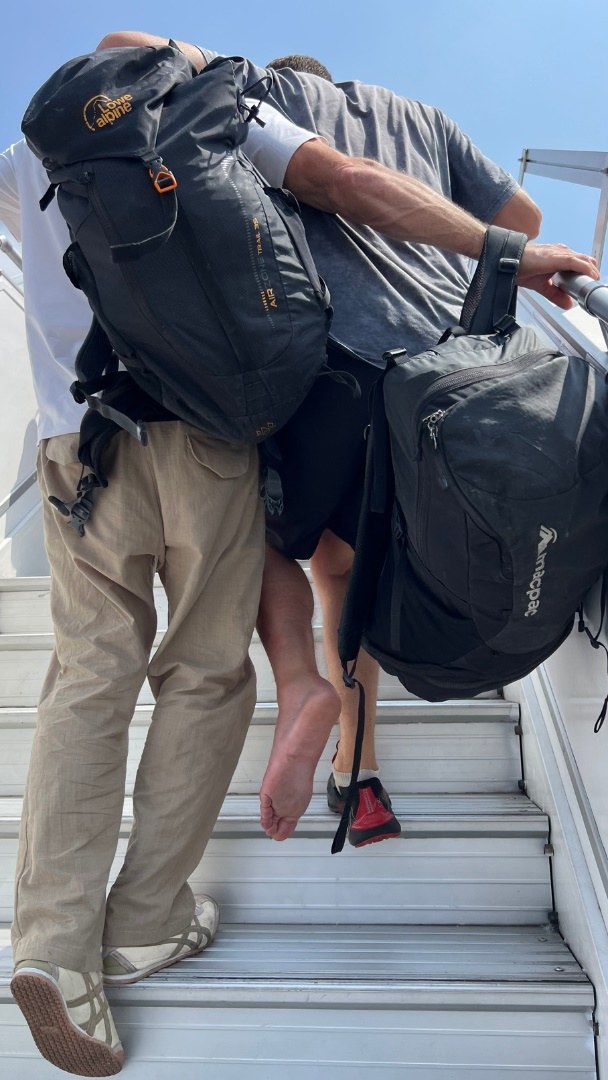
At the boarding stairs of my plane out of Kathmandu, I saw the truest lesson of the whole trip.
When I booked the trip, my return ran through Abu Dhabi instead of Sharjah, my usual transit. A small thing. Everything happens for a reason.
Climbing the stairs to board, I saw two men ahead of me. One could not walk on his own. So, the other carried him and his backpack, step by step, up to the plane door.
I offered to take one of the bags. “No worries,” he said. “I can handle it.”
As it turned out, he was seated next to me, his friend a few rows back. We talked. He told me they had run the Everest Marathon, the race that starts high in Everest Base Camp and descends along the trails below. Back in Kathmandu, after the finish, his friend had an accident. Now he could not walk. So, his friend carried him, all the way to the plane.
I never learned their names. I have kept their faces out of this, out of respect. The moment was real, and what this man showed me stayed with me all the way home.
After everything I had seen in Nepal, it was the truest thing I could have witnessed on my way out.
I spent the trip among people who reached great heights. Climbers, record-holders, guides, the people who keep the records. And the same thing surfaced in every one of them.
The rope-fixer who makes the summit possible and is rarely named. The climber who credits his guide from the stage. The friend who lends a shoulder, or a back.
Nobody reaches the top alone. Everyone who gets there was carried somewhere by someone.
The mountain makes that visible in a way ordinary life hides. Up high, and on the stairs of a plane, you can see exactly who is carrying whom. Down here, we forget. We tell ourselves we climbed alone.
We did not. None of us did.
So, this is the picture I am ending on. Not a summit. Not a flag. Two friends on a staircase, one carrying the other and everything he was holding. If you have a friend like that, you already have everything you need to reach the top.
After the Summit
Eleven people. Two days. One mountain in the background of all of it.
I went to Kathmandu thinking about the summit, the photo, the flag, the name on the record. I came home thinking about the people just outside the frame. The ones who fix the ropes, keep the records, carry the bags, lend a back on a staircase.
That is the quiet center of the Peak Leadership Model. Base Camp asks who you are. The Summit asks what survives after you leave. And the climb between them is built, at every level, on people carrying people.
Nobody reaches the top alone. Once you have seen that clearly, you cannot lead any other way.
What’s your Everest?
Bring the Peak Leadership Model to your leaders
Mohamed’s Everest Leadership keynote and Peak Leadership programs turn lessons like these into a working session for executive teams, conferences and leadership retreats.

